
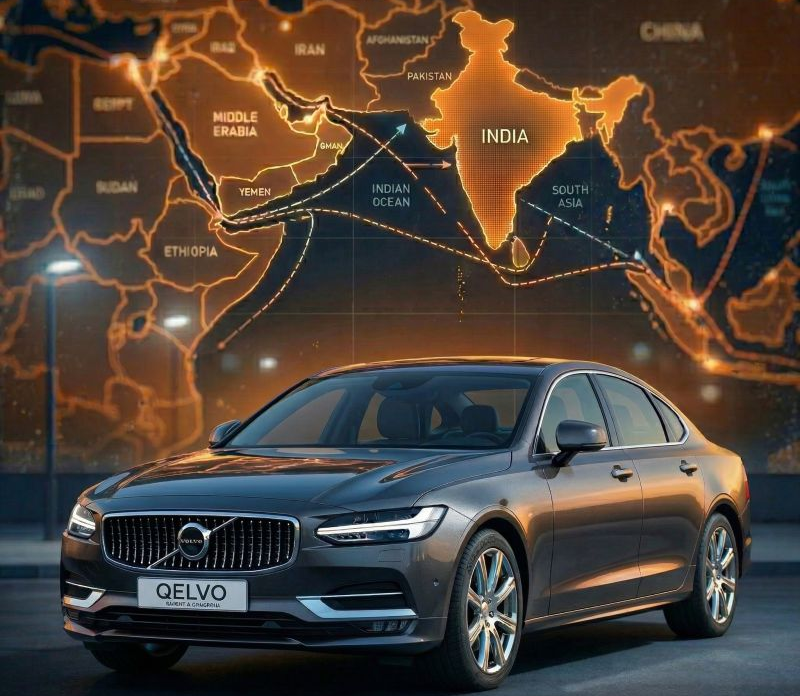
Middle East Conflict: A Defining Moment for India’s Corporate Mobility Industry
The ongoing tensions in the Middle East are not just geopolitical headlines—they are a direct stress test for India’s B2B corporate cab ecosystem.
For those of us operating in employee transportation and corporate mobility, the impact is immediate and structural.
Fuel prices rise overnight. Contracts don’t. Margins disappear.
Most B2B mobility providers operate on fixed-rate contracts with corporates—often locked for 12–24 months. But fuel, which constitutes up to 50% of operating cost, is anything but fixed.
A ₹10/litre increase doesn’t just hurt—it can wipe out double-digit margins.
And that’s where the real challenge begins.
The Reality on Ground:
– Vendors are absorbing losses while trying to maintain SLAs
– Drivers are earning less, leading to attrition and supply gaps
– Corporates are resisting mid-cycle price revisions due to budget constraints
The result? A silent strain across the ecosystem.
This is Bigger Than Fuel
A prolonged conflict triggers:
– Inflationary pressure
– Corporate cost-cutting
– Reduced travel and transport demand
We’re already seeing early signals:
– Rationalization of employee transport
– Reduced business travel
– Greater scrutiny on vendor costs
But Every Crisis Creates a Shift
This moment is accelerating three irreversible changes in corporate mobility:
1. End of Fixed Pricing Models
Fuel-linked dynamic pricing will become the norm, not the exception.
2. Rapid EV Adoption
Electric fleets are no longer “future strategy”—they are becoming a survival necessity. Predictable costs + ESG alignment = strong business case.
3. Vendor Consolidation
Large, structured, and financially disciplined players will gain share. Fragmented operators will struggle to sustain.
What Should B2B Mobility Companies Do Now?
– Re-negotiate contracts with fuel escalation clauses
– Accelerate EV integration, especially for fixed routes
– Focus on high-stability corporate clients
– Use technology to optimize routes and utilization
– Build financial buffers for volatility
The Strategic Takeaway
This is not just a crisis—it’s a reset moment.
The corporate mobility players who will win are those who:
– Move from cost-based thinking to risk-based pricing
– Transition from diesel dependency to energy diversification
– Position themselves not as vendors, but as strategic mobility partners
In the end, resilience—not scale—will define leadership in this industry.
For more such posts, please visit the LinkedIn profile of Colonel Gaurav Puri.
#CorporateMobility #B2B #FleetManagement #EVTransition #EnergyCrisis #IndiaBusiness #MobilityStrategy